
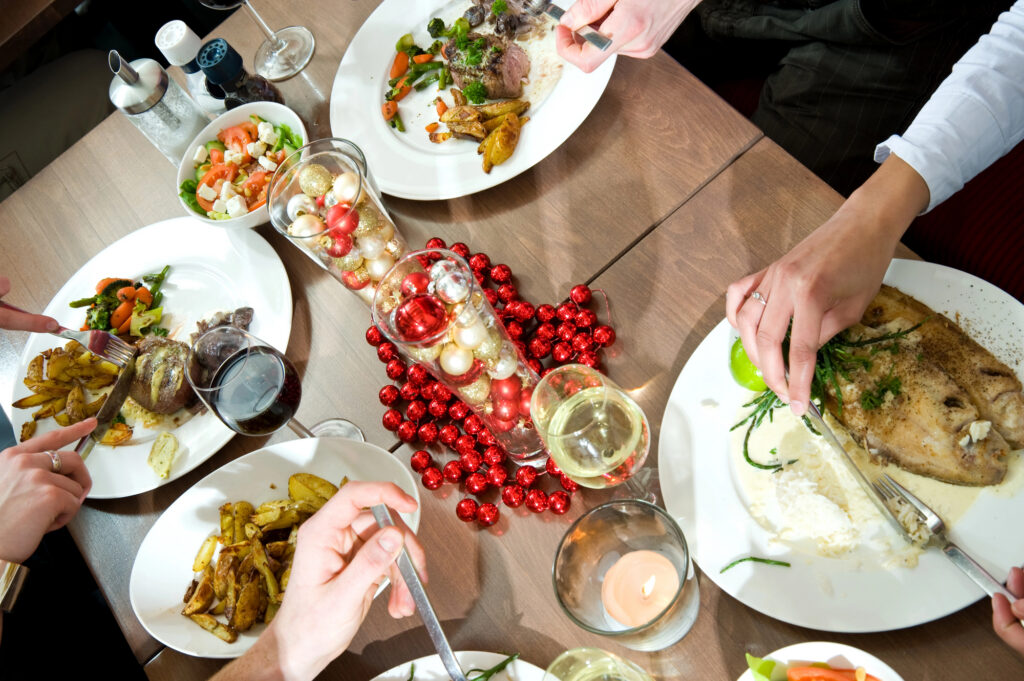
Does Your Night Out Qualify as a Tax Deduction?
According to social media experts, of course! I recently saw a social media “tax expert” explain how his birthday party qualifies as a tax deduction since he was hosting a mastermind event. Rather clever, but unfortunately not tax-deductible! Fortunately, there are legal ways to maximize your tax deductions, including meals out, but the rules can be tricky. Keep reading to find out how to maximize your meal deductions.
Understanding the Basics: Rules for Meals
As with all tax deductions a dentist claims, the expense must be ordinary and necessary for the operation of your dental practice. This doesn’t mean you have to minimize expenses, but it does mean that the expenses must be common, helpful, and appropriate. Common examples are meals out with patients or patient referral sources, business meetings, or meals while attending business events such as continuing education or study club meetings. Meals in these instances all qualify for a tax deduction but need to be properly documented. Unfortunately, the IRS only allows a 50% deduction and will disallow any meal that is deemed extravagant.
In the event of an IRS audit, your word won’t be enough for the deduction to hold up. Instead, you want to properly document each meal by taking note of the business purpose, all attendees, business relationship to those in attendance, and the cost. This may sound like a lot, but dental accountants with good systems can make this easy. We utilize AI bookkeeping software called Dext to take pictures of receipts and add notes. Since the receipt will show the place, time, and amounts, the doctor only needs to list the attendees and business purpose of the meal. Dext then automatically syncs all the data into QuickBooks Online, making bookkeeping a breeze and ensuring it’s readily accessible in case of an IRS audit.
Rules for Staff Meals
With the passing of the One Big Beautiful Bill Act (OBBBA), staff meals became even trickier. Historically speaking, staff meals have been deductible as 50% meal deductions if provided for the convenience of the employer, such as serving lunch during a CE meeting. However, the OBBBA has eliminated the tax deduction for any meals provided to the staff for the benefit of the employer. Does this mean all staff meals are non-deductible? Not quite! There’s an exception for employee events such as social gatherings, holiday parties, and celebrations. The event needs to be for the main benefit of non-highly compensated employees, meaning your staff. For any meals purchased for the staff, we recommend purchasing them in conjunction with a social event rather than a necessary business event. These meals should be categorized as staff appreciation and receipts and records should be kept documenting costs, attendance, and purpose.
Rules for Entertainment
What happens if you attend a baseball game or night out at the theater? Unfortunately for taxpayers, entertainment is strictly prohibited from receiving tax deductions with one major exception: the event is for the main benefit of the staff. For example, you take your staff out for an appreciation event at the ballpark. In this case, the entire expense is 100% deductible and should be categorized as staff appreciation. Records should be kept in the same manner as meals. On the other hand, going to a sporting event, concert, or production doesn’t qualify for a deduction if it’s a business meeting, referring doctor event, etc. However, any food and beverage purchases can qualify for a tax deduction at the 50% level, as long as the event was primarily business focused and the food and beverages were purchased separately.
Let’s run through some examples to see if the following situations allow for a deduction.
Example 1: A dental specialist hosts a referring doctor event at a game. The host purchases a group of tickets and hands them out ahead of time. During the game, the hosting doctor purchases food and beverages for all attendees separately from the tickets. Only the food and beverage expense qualifies for a 50% tax deduction and needs to be properly documented.
Example 2: The dental specialist hosts a referring doctor event at a game, but this time purchases a suite for everyone. The food and drinks are included in the price of the suite. The entire event, including food and beverages, no longer qualifies for a tax deduction since the suite and food and beverage weren’t purchased separately.
Example 3: The specialist hosts a staff appreciation event using the same suite at a game, with food and drinks included. The entire cost of the event is now tax-deductible since the event was for the main benefit of the staff.
Rules for Snacks/Coffee/Drinks
Prior to the OBBBA, snacks and drinks provided to employees were eligible for a 50% tax deduction. Beginning January 1, 2026, snacks and drinks provided to employees are no longer eligible for a tax deduction, unless they’re also provided to the general public and are mostly consumed by patients or customers. Doctors should ensure these snacks and drinks are readily available to everyone who enters the office and more than 50% are consumed by patients to qualify for a tax deduction.
Want to stay up to date on all tax, practice, and financial strategies for dentists?
Want to ensure you’re claiming all possible tax deductions available to you? Request a call with us!